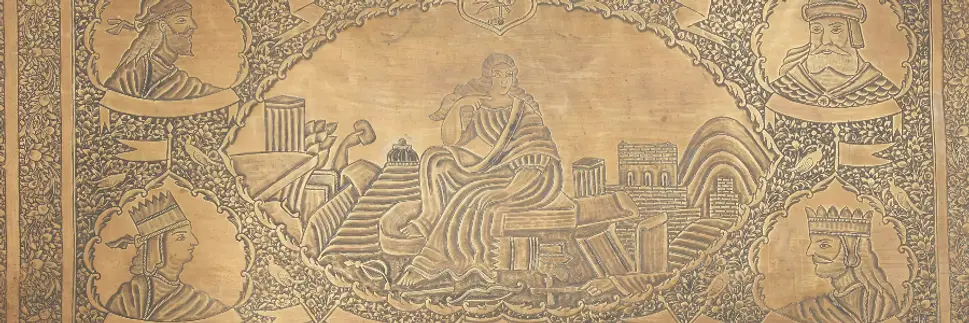
BRASS ETCHING
Brass has been a cornerstone of human industry for centuries. A versatile alloy of copper and zinc, it is prized not just for its gold-like luster, but for its low friction, excellent acoustic properties, and superior electrical conductivity.
However, when a project demands intricate patterns or ultra-thin decorative details, traditional mechanical methods often fall short. At Metching, our professional brass etching service provides the precision needed for both high-end decorative finishes and complex industrial components.
The Limitations of Mechanical Brass Cutting
While brass is more "workable" than titanium, it still presents hurdles when using conventional tools:
-
Mechanical Deformation: Stamping and punching thin brass sheets can cause "edge roll" or slight bowing, which ruins the flatness required for precision gaskets or decorative shims.
-
Laser Discoloration: High-power lasers generate intense heat that can discolor the edges of brass or alter its temper, requiring expensive polishing or post-processing.
-
Tool Wear: For small, detailed parts, mechanical drill bits and routers can break frequently, leading to inconsistent results and higher production costs.
Why Choose Chemical Etching for Brass?
Chemical etching (or Photochemical Machining) uses a high-resolution "photo-mask" and a controlled chemical bath to remove metal atom-by-atom. It is a "cold" process, meaning it relies on chemistry rather than friction or heat.
The Benefits of the Metching Process:
-
Total Design Freedom: Whether you need a simple washer or a complex decorative filigree with thousands of tiny holes, the cost remains the same. Complexity does not increase the price.
-
Ultra-Smooth Edges: Etched brass is naturally burr-free. This is critical for musical instrument components or luxury interior trim where a "mirror-perfect" edge is required.
-
Precision Tolerances: Tolerances are evaluated based on material thickness, drawings and processing requirements. No single fixed tolerance is promised for all projects.
-
Retained Material Properties: Because there is no heat or mechanical pressure, the brass retains its original hardness, color, and spring tension.
Common Brass Alloys for Etching
We work with a variety of brass grades to suit different mechanical and aesthetic requirements:
-
CZ108 (Common Brass): Highly ductile and perfect for general engineering and decorative work.
-
CZ101 (Gilding Metal): Features a higher copper content, giving it a rich, architectural bronze look—ideal for signage and jewelry.
-
CZ120 (Engraving Brass): Specifically designed for deep etching and high-detail nameplates.

Where Precision Brass Etching Shines
Because brass is both beautiful and functional, our etched components are found in a diverse range of industries:
Industrial & Electronics
-
Electrical Contacts: High conductivity makes etched brass ideal for terminals and connectors.
-
EMI/RFI Shielding: Brass cans protect sensitive electronics from interference.
-
Shims and Gaskets: Perfectly flat, burr-free spacers for automotive and aerospace assemblies.
Decorative & Architectural
-
Bespoke Signage: Intricate logos and text etched into high-polish brass plates.
-
Interior Inlays: Decorative metal inserts for luxury furniture and high-end automotive interiors.
-
Model Making: Ultra-fine details for high-fidelity architectural or hobbyist models.
Elevate Your Design with Metching
From heavy-duty industrial shims to the finest decorative filigree, Metching’s brass etching service delivers a level of detail that traditional machining simply cannot touch.